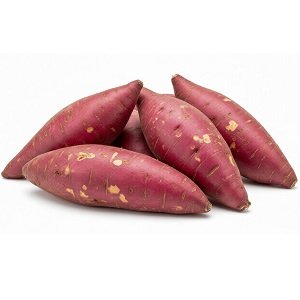
Vegetables
Indian vegetables known for their rich nutrition, natural freshness and authentic flavour.
VEGETABLES
Indian vegetables represent one of the most diverse and essential components of the country’s agriculture and cuisine. They include a wide range of crops such as leafy greens (spinach, fenugreek, amaranth), root vegetables (carrot, radish, beetroot, yam), fruit vegetables (tomato, brinjal, okra, capsicum) and gourds (bottle gourd, bitter gourd, pumpkin, snake gourd). Alongside these native varieties, India also cultivates introduced crops like potato, cabbage, cauliflower and broccoli, which have become staples in many regions. This diversity ensures year round availability and supports the nutritional needs of millions of people.
Nutritionally, Indian vegetables are rich in vitamins (A, C, K and B‑complex), minerals (iron, calcium, magnesium), antioxidants and dietary fibre. They are low in calories yet high in protective nutrients, making them vital for preventing deficiencies and lifestyle related diseases. Regionally, vegetables are deeply tied to culinary traditions: sarson ka saag in Punjab, sambar with drumstick in South India, undhiyu in Gujarat and baingan bharta in North India all highlight how local crops shape food culture. Thus, Indian vegetables are not only a source of health and nutrition but also a reflection of the country’s agricultural richness and culinary heritage.
HISTORY OF INDIAN VEGETABLES - The Ancient Green Heritage
India’s vegetable heritage is ancient, rooted in native crops and enriched by global exchanges. Indigenous vegetables such as bitter gourd (karela), brinjal (baingan), drumstick (moringa) and amaranth greens were cultivated since early times and are mentioned in classical texts like the Charaka Samhita and Sushruta Samhita. These vegetables were valued not only for their nutritional role but also for their medicinal properties in Ayurveda, forming the foundation of traditional diets across regions.
With the advent of trade and colonial influence, India’s vegetable basket expanded. Crops such as potato, tomato, chilli and capsicum were introduced from the Americas, while cabbage, cauliflower and carrots (orange varieties) came from Europe. Over time, these foreign introductions blended seamlessly with native vegetables, becoming staples in Indian cuisine. Dishes like baingan bharta, sambar with drumstick and sarson ka saag reflect this rich diversity, where indigenous and introduced crops coexist.
In modern times, vegetable cultivation has been transformed by scientific research and breeding programs. Institutions like the Indian Agricultural Research Institute (IARI) established vegetable breeding stations in the mid-20th century, focusing on seed production, disease resistance and yield improvement. Today, India is among the world’s largest producers of vegetables, with crops like potato, onion, tomato, brinjal and okra contributing significantly to both domestic consumption and exports.
MAJOR VEGETABLES OF INDIA
India grows a wide variety of vegetables across different agro climatic zones. major vegetables are Potato (Aloo), Tomato (Tamatar), Onion (Pyaaz), Cabbage (Patta Gobhi), Cauliflower (Phool Gobhi), Brinjal/Eggplant (Baingan), Okra/Lady’s Finger (Bhindi), Peas (Matar), Beans (Sem), Spinach (Palak), Carrot (Gajar), Radish (Mooli), Beetroot (Chukandar), Pumpkin (Kaddu), Bitter gourd (Karela), Bottle gourd (Lauki/Ghiya), Drumstick (Sahjan/Munga), Cucumber (Kheera), Green chillies (Hari Mirch), Garlic (Lahsun), Turnip (Shaljam), Sweet potato (Shakarkand), Yam (Suran/Jimikand), Tapioca (Cassava), Snake gourd (Chichinda), Ridge gourd (Turai), Ash gourd (Petha), Colocasia/Taro (Arbi), Cluster beans (Gwar Phali), Fenugreek leaves (Methi), Mustard greens (Sarson ka Saag) etc
FEATURES OF INDIAN VEGETABLES
The key features of Indian vegetables are their diversity, seasonal availability, nutritional richness, medicinal value and cultural importance. India grows both native and introduced vegetables, making it one of the largest producers globally
KEY FEATURES
Diversity of types: India cultivates leafy greens, root crops, gourds, legumes and exotic introductions. Native vegetables like brinjal, bitter gourd, drumstick and amaranth coexist with introduced crops like potato, tomato and cauliflower.
Seasonal availability: Vegetables are grown year round due to India’s varied agro‑climatic zones. Winter brings carrots, radish, peas and cauliflower, while summer favours cucumbers, gourds and okra.
Nutritional richness: Indian vegetables are rich in vitamins, minerals, fiber and antioxidants. Leafy greens like spinach and fenugreek provide iron and calcium, while gourds and roots offer hydration and energy.
Medicinal value: Many vegetables are integral to Ayurveda. Bitter gourd is used for blood sugar control, drumstick for joint health and garlic for immunity.
Cultural importance: Vegetables are central to Indian cuisine and rituals. Dishes like sarson ka saag, sambar with drumstick and baingan bharta highlight regional identities.
Versatility in cooking: Indian vegetables are used in curries, stir fries, pickles, soups, stuffed dishes and snacks. Their flavours range from bitter (karela) to sweet (pumpkin), tangy (tomato) and spicy (chillies).
Global contribution: India is among the largest producers of vegetables worldwide, contributing nearly 15% of global output. It leads in crops like okra and ranks high in potato, onion and tomato production
NUTRITIONAL VALUE OF INDIAN VEGETABLES
Indian vegetables are a powerhouse of vitamins, minerals, fiber and antioxidants, making them essential for a balanced diet. Their diversity ensures that different nutrients are available across seasons and regions.
Leafy greens (Spinach/Palak, Fenugreek/Methi, Mustard/Sarson): Rich in iron, calcium, vitamin A, vitamin C and folate. They help in blood formation, bone strength and immunity.
Root crops (Carrot/Gajar, Radish/Mooli, Beetroot/Chukandar, Sweet potato/Shakarkand): High in beta‑carotene, potassium, dietary fiber and antioxidants. They support eye health, digestion and energy.
Gourds (Bottle gourd/Lauki, Bitter gourd/Karela, Pumpkin/Kaddu, Ridge gourd/Turai): Low in calories, high in water content, vitamins and minerals. They aid hydration, weight management and detoxification.
Fruit vegetables (Tomato/Tamatar, Brinjal/Baingan, Cucumber/Kheera, Chillies/Mirch): Provide vitamin C, potassium & antioxidants like lycopene (in tomato). They boost immunity and protect against oxidative stress.
Bulb crops (Onion/Pyaaz, Garlic/Lahsun): Contain sulfur compounds, vitamin B6 & manganese. Known for heart health, immunity & antimicrobial properties.
Leguminous vegetables (Peas/Matar, Beans/Sem, Cluster beans/Gwar): Good source of plant protein, fiber, vitamin K and folate. They support muscle growth and digestive health.
HEALTH BENEFITS OF INDIAN VEGETABLES
Indian vegetables provide wide ranging health benefits including boosting immunity, improving digestion, supporting heart health, controlling blood sugar and preventing nutrient deficiencies.
KEY HEALTH BENEFITS
Boost Immunity: Vegetables like moringa (drumstick) and spinach (palak) are rich in vitamins A and C, antioxidants and minerals that strengthen the immune system.
Improve Digestion: High fiber vegetables such as beans (sem), peas (matar) and gourds (lauki, turai) aid digestion, prevent constipation and support gut health.
Heart Health: Garlic (lahsun), onion (pyaaz) and beetroot (chukandar) contain compounds that lower cholesterol, regulate blood pressure and improve circulation.
Blood Sugar Control: Bitter gourd (karela) and fenugreek leaves (methi) are traditionally used to manage diabetes by regulating blood glucose levels.
Bone Strength: Leafy greens like moringa leaves, mustard greens (sarson) and fenugreek are rich in calcium and vitamin K, supporting bone health.
Weight Management: Low calorie vegetables such as cucumber (kheera), bottle gourd (lauki) and pumpkin (kaddu) provide hydration and satiety without excess calories.
Detoxification: Vegetables with high water content, like ash gourd (petha) and cucumber, help flush toxins and maintain hydration.
Eye Health: Carrot (gajar) and spinach (palak) are rich in beta‑carotene and lutein, protecting vision and preventing night blindness
CULINARY USES OF INDIAN VEGETABLES
Indian vegetables are not only central to traditional Indian cuisine but have also found a place in global kitchens. Their versatility, flavour and nutritional value make them suitable for a wide range of dishes both in India and abroad.
IN INDIA
Curries & Gravies: Vegetables like brinjal (baingan), okra (bhindi), bottle gourd (lauki) and spinach (palak) are staples in curries such as baingan bharta, bhindi masala and palak paneer.
Lentil & Vegetable Mixes: Vegetables are combined with pulses in dishes like sambar (drumstick, pumpkin, brinjal) and dal with lauki.
Stuffed Preparations: Popular in North India – bharwa bhindi, stuffed karela and stuffed capsicum.
Snacks & Street Food: Potatoes and onions dominate snacks like samosa, pakora and aloo tikki.
Pickles & Chutneys: Vegetables like carrot, cauliflower, garlic and green chillies are preserved as pickles or ground into chutneys.
Festive & Regional Specialties: Sarson ka saag (mustard greens) in Punjab, avial (mixed vegetables in coconut curry) in Kerala and undhiyu (winter mixed vegetable dish) in Gujarat.
IN FOREIGN COUNTRIES
Fusion Curries: Indian vegetables like cauliflower, chickpeas and spinach are widely used in curries served in UK, US and Canada.
Global Salads & Soups: Cucumber, tomato, beetroot and spinach are used in salads and soups worldwide.
Roasted & Grilled Dishes: Vegetables like cauliflower, brinjal and okra are roasted or grilled in Mediterranean and Middle Eastern cuisines.
Vegan & Health Foods: Bitter gourd, drumstick and fenugreek are gaining popularity in wellness diets abroad for their medicinal properties.
Street Food Adaptations: Indian potato snacks like samosa and pakora are now global favourites, often sold in cafes and food trucks.
Pickles & Fermented Foods: Indian vegetable pickles (carrot, garlic & chilli) are exported and enjoyed as condiments in foreign cuisines.
INDUSTRIAL USES OF INDIAN VEGETABLES
Indian vegetables have important industrial uses beyond food, they are processed into pickles, dehydrated powders, frozen products, starches, colorants, animal feed, bio‑fertilizers and pharmaceuticals. Vegetable by products and waste are also utilized in industries to reduce loss and add value.
MAJOR INDUSTRIAL USES
Food Processing Industry
Pickles and chutneys: Carrot, cauliflower, garlic and chilli are processed into pickles and condiments.
Dehydrated powders: Onion, garlic, tomato and spinach are dried and powdered for instant foods.
Frozen and canned products: Peas, beans and mixed vegetables are preserved for export and urban markets.
Chips, snacks, Starches & flours: Potato and tapioca are processed into chips & snacks and starch & flour for snacks and bakery items.
Nutraceuticals & Pharmaceuticals
Medicinal extracts: Bitter gourd (karela) for diabetes control, drumstick (moringa) for immunity and garlic for heart health.
Colorants and antioxidants: Beetroot (chukandar) provides natural red pigment (betanin) and carrot offers beta‑carotene supplements.
Herbal formulations: Fenugreek, amla and moringa leaves are processed into capsules and powders.
Animal Feed & Bio‑products
Vegetable waste utilization: Peels, leaves and rejected produce are converted into cattle feed and silage.
Bio‑fertilizers and compost: Vegetable residues enrich soil fertility when processed into organic manure.
Biogas production: High moisture vegetable waste is used in anaerobic digesters to generate renewable energy.
DOMESTIC SALES
Domestic sales of Indian vegetables are massive, driven by everyday consumption across households, hotels, restaurants and food processing industries. Most of the country’s vegetable output is consumed locally through traditional markets, mandis, retail chains and direct farmer sales, ensuring a steady supply from farms to kitchens.
KEY POINTS ON DOMESTIC SALES
Household Consumption: Vegetables are a staple in Indian diets, forming the base of curries, dals, snacks and festive dishes. Daily demand ensures strong sales in local mandis, weekly markets and neighbourhood vendors.
Retail & Supermarkets: Modern retail chains and e‑commerce platforms are expanding vegetable sales, offering packaged, organic and ready‑to‑cook options.
Food Service Industry: Hotels, restaurants and street food vendors purchase large volumes of vegetables like potato, onion, tomato and peas for continuous supply.
Processing Industry: A portion of domestic sales goes into pickles, frozen peas, dehydrated onion/garlic, chips and ready‑to‑eat meals.
Regional Mandis: Wholesale vegetable markets across different regions act as major hubs for domestic trade, ensuring smooth distribution from farmers to consumers.
EXPORT OF VEGETABLES FROM INDIA
India exports a wide range of vegetables such as onions, potatoes, tomatoes, okra, garlic, peas and leafy greens to many countries across Asia, the Middle East, Europe and North America. These exports are supported by India’s diverse climate, which allows year round production and by strong demand for both fresh and processed products like frozen peas, dehydrated onion and garlic and potato chips.
Vegetable exports play an important role in India’s agricultural trade, with neighbouring countries and Gulf nations being major buyers, while markets in the United States and Europe increasingly import frozen and packaged products. Despite challenges like maintaining quality standards, cold chain logistics and price fluctuations, India’s vegetable exports continue to grow, contributing to foreign exchange earnings and strengthening its position as one of the world’s leading suppliers of fresh produce.
SUN AGRI INDUSTRIES is leading manufacture & government recognized exporters and domestic supplier of agricultural products including vegetables such as Potato (Aloo), Tomato (Tamatar), Onion (Pyaaz), Cabbage (Patta Gobhi), Cauliflower (Phool Gobhi), Brinjal/Eggplant (Baingan), Okra/Lady’s Finger (Bhindi), Peas (Matar), Beans (Sem), Spinach (Palak), Carrot (Gajar), Radish (Mooli), Beetroot (Chukandar), Pumpkin (Kaddu), Bitter gourd (Karela), Bottle gourd (Lauki/Ghiya), Drumstick (Sahjan/Munga), Cucumber (Kheera), Green chillies (Hari Mirch), Garlic (Lahsun), Turnip (Shaljam), Sweet potato (Shakarkand), Yam (Suran/Jimikand), Tapioca (Cassava), Snake gourd (Chichinda), Ridge gourd (Turai), Ash gourd (Petha), Colocasia/Taro (Arbi), Cluster beans (Gwar Phali), Fenugreek leaves (Methi), Mustard greens (Sarson ka Saag) etc
OUR POPULAR VEGETABLES PRODUCTS

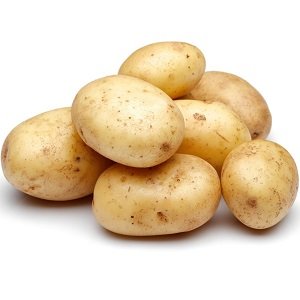
Potato (Aloo)
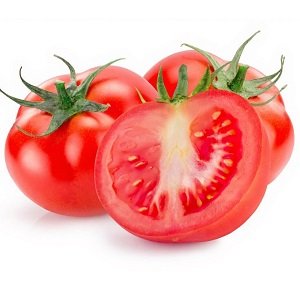
Tomato (Tamatar)
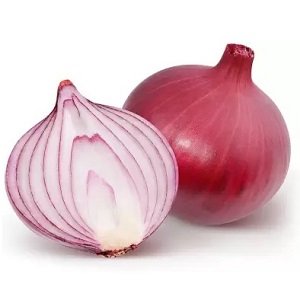
Onion (Pyaaz)
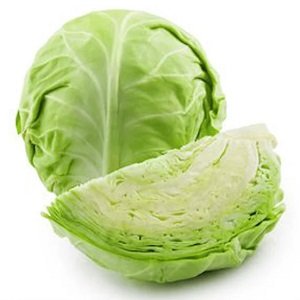
Cabbage (Patta Gobhi)
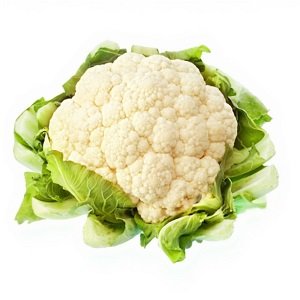
Cauliflower (Phool Gobhi)
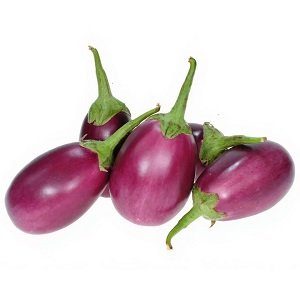
Brinjal (Baingan)
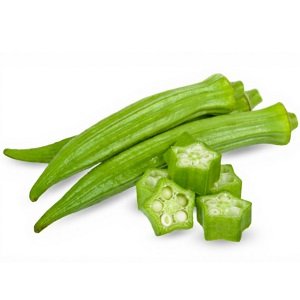
Okra (Bhindi)
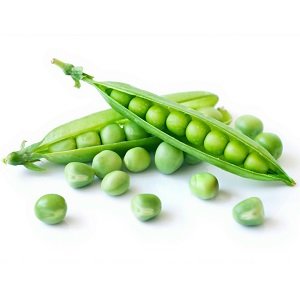
Peas (Matar)
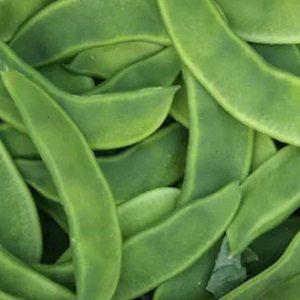
Beans (Sem)
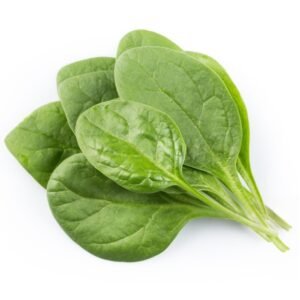
Spinach (Palak)
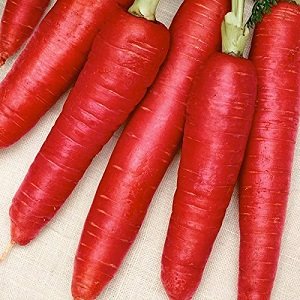
Carrot (Gajar)
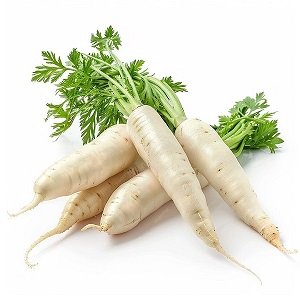
Radish (Mooli)
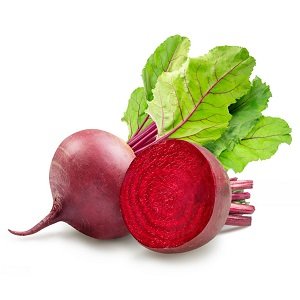
Beetroot (Chukandar)
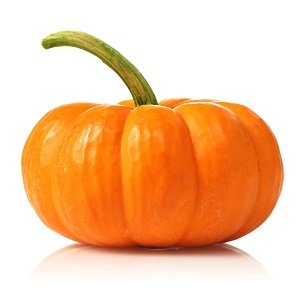
Pumpkin (Kaddu)
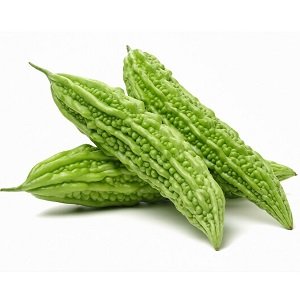
Bitter gourd (Karela)

Bottle gourd (Lauki)
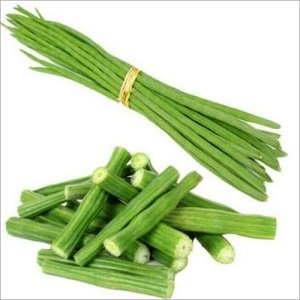
Drumstick (Sahjan)

Cucumber (Kheera)
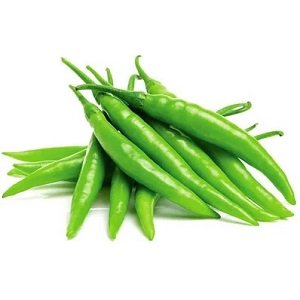
Green chillies (Hari Mirch)
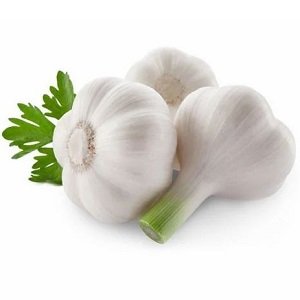
Garlic (Lahsun)
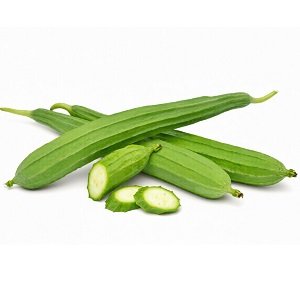
Ridge gourd (Turai)
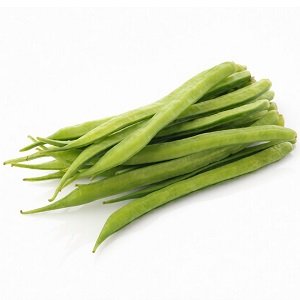
Cluster beans (Gwar Phali)
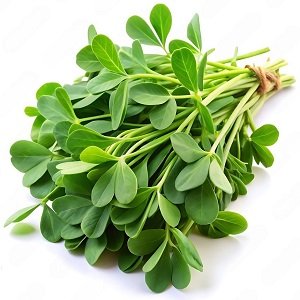
Fenugreek leaves (Methi)