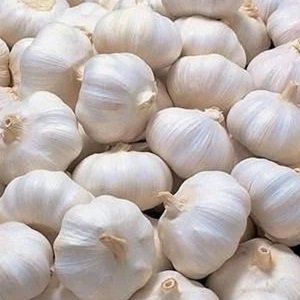
Indian Spices
Spice a dish with love and it pleases every palate
SPICES
India is the world’s largest producer, consumer and exporter of spices. With diverse climatic zones from the Himalayan foothills to the coastal plains, India grows more than 75 varieties of spices, many of which are globally renowned for their aroma, purity and natural oils.
Sun Agri Industries, based in Gujarat, is located in one of India’s most important spice growing regions, making it ideally positioned to supply premium quality spices to global markets.
Indian spices are valued not only for flavour but also for their medicinal, nutritional and preservative properties, making them essential in food, medicine, cosmetics and wellness industries.
HISTORY OF INDIAN SPICES - The Aromatic Legacy
The history of Indian spices spans over 5,000 years, deeply rooted in ayurveda, ancient trade routes and global exploration. India’s spices attracted traders from Arabia, China and Europe, eventually shaping global trade.
- The Indus Valley Civilization used turmeric, ginger and cinnamon.
- Ayurvedic texts describe spices as healing agents.
- Ancient Romans imported pepper and cinnamon from India.
- Arab merchants dominated spice routes for centuries.
- European explorers, including Vasco da Gama, reached India seeking direct spice access.
- Colonial powers fought over spice rich regions like Kerala and Gujarat.
- Today, India remains the global spice capital, exporting to more than 180 countries.
MAJOR SPICES OF INDIA
India’s vast diversity of regions, seasons and climates allows a wide range of spices to flourish from cool climate hill crops to heat loving tropical varieties. Each spice carries the unique flavour and aroma of the environment it grows in. Together, they form India’s rich and vibrant spice heritage.
Major spices of India are Cumin Seeds (Jeera), Coriander Seeds (Dhaniya), Fennel Seeds (Saunf), Fenugreek Seeds (Methi), Carom Seeds (Ajwain), Celery seeds (Ajmod), Dill Seed (Suva), Caraway (Shahi Jeera), Aniseed (Valaiti saunf), Mustard Seeds (Rai / Sarson), Nigella Seeds (Kalonji), Garlic (Lahsun / Lasun), Red Chilli (Lal Mirch), Black Pepper (Kali Mirch), Turmeric (Haldi), Ginger (Saunth), Tamarind (Imli), Cardamom (Elaichi), Cloves (Laung), Cinnamon (Dalchini), Cassia (Jangli dalchini / Tajj), Star Anise (Badian), Long Pepper (Pippali), Nutmeg (Jaiphal), Mace (Javitri), Curry Leaves (Kari Patta), Bay Leaves (Tej Patta), Saffron (Kesar), Asafoetida (Hing), Kokam (Kokam), Dried Pomegranate Seed (Anardana), Vanilla, Juniper berry (Hapusha), Basil (Tulsi), Oregano (Sathra), Mint (Pudina), Thyme (Banajwain), Rosemary (Rusmari) etc
FEATURES OF INDIAN SPICES
Indian spices are known for their diversity, rich flavours, medicinal properties, and cultural significance. They not only enhance taste but also carry historical and health value.
KEY FEATURES
Rich aroma and bold flavours: Indian spices are known worldwide for their intense fragrance and depth of taste.
Grown across diverse climates: From tropical coasts to cool mountains, India’s varied geography nurtures a wide range of spices.
High medicinal value: Many spices like turmeric, ginger and cloves are valued for their natural healing properties.
Vibrant colours and natural oils: Spices add colour, warmth and essential oils that enhance both food and wellness.
Cultural and culinary significance: Spices are deeply rooted in India’s traditions, cuisine and heritage.
Wide variety and global demand: India produces everything from Regular Spices to Special Spices, making it a global spice leader.
NUTRITIONAL VALUE OF INDIAN SPICES
Indian spices are rich in antioxidants and anti‑inflammatory compounds that support immunity, digestion and overall wellness. They also provide essential nutrients like vitamins, minerals and beneficial plant compounds that enhance both health and flavour in everyday cooking.
KEY NUTRITIONAL COMPONENTS
Low in calories: Most spices provide intense flavour with ~6 kcal per teaspoon.
Rich in dietary fiber: Helps digestion and supports gut health.
High in minerals: Iron (cumin, fenugreek) supports blood formation, Calcium (cardamom, coriander) strengthens bones, Magnesium (pepper, fennel) aids muscle and nerve function.
Vitamin content: Vitamin A (chili, paprika) supports vision and immunity, Vitamin C (coriander, chili) boosts immune defence, B-complex vitamins (fenugreek, mustard) help energy metabolism.
Antioxidants: Curcumin (turmeric), eugenol (cloves), cinnamaldehyde (cinnamon) protect cells from oxidative stress.
Phytonutrients: Natural plant compounds that enhance metabolism and overall health.
HEALTH BENEFITS OF INDIAN SPICES
Indian spices are not just flavour enhancers, they provide powerful health benefits including improved digestion, stronger immunity, anti-inflammatory effects, and better metabolic balance.
KEY HEALTH BENEFITS
Boost immunity: Turmeric, garlic, and ginger strengthen the body’s defense system against infections.
Aid digestion: Cumin, fennel, and asafoetida help reduce bloating, gas, and indigestion.
Anti-inflammatory properties: Turmeric (curcumin) and black pepper reduce inflammation and joint pain.
Improve metabolism: Cinnamon and fenugreek regulate blood sugar and support weight management.
Cardiovascular health: Garlic and cloves lower cholesterol and improve heart function.
Antioxidant protection: Spices like cinnamon, cloves, and turmeric fight oxidative stress and aging.
Respiratory relief: Black pepper and ginger help clear congestion and ease breathing.
Oral health: Cardamom and cloves freshen breath and fight oral bacteria.
Natural detox: Coriander and fennel help flush toxins and support kidney health
CULINARY USES OF INDIAN SPICES
Indian spices are widely used around the world to enhance flavour, aroma and colour in food preparations. They form the foundation of traditional, modern and fusion cuisines.
IN INDIA
Curries and gravies: Turmeric, cumin, coriander, and chili are staples in everyday curries.
Masala blends: Garam masala, chaat masala, sambhar masala and chaas masala add depth and complexity.
Rice dishes: Cardamom, cloves, and cinnamon are used in biryanis and pulao.
Snacks and street food: Chaat masala, black salt, and chili powder enhance flavour.
Pickles and chutneys: Mustard seeds, fenugreek, and asafoetida act as preservatives and flavouring agents.
Beverages: Masala chai uses cardamom, ginger, and cloves for aroma and taste.
Desserts: Saffron, cardamom, and nutmeg are used in kheer, halwa, and sweets.
IN FOREIGN COUNTRIES
Fusion cuisine: Indian spices are blended into pasta sauces, tacos, and stir-fries.
Global spice blends: Curry powder in the UK, Ras el Hanout in Morocco, and garam masala-inspired mixes worldwide.
Baking: Cinnamon, cardamom, and nutmeg are used in cakes, pastries, and breads.
Beverages: Turmeric lattes (“golden milk”) and chai tea are popular wellness drinks.
Gourmet cooking: High-end restaurants use saffron, pepper, and cardamom in sauces and desserts.
Street food adaptations: Indian spice blends are used in kebabs, wraps, and fusion fast food.
Health focused cuisine: Spices like turmeric and ginger are incorporated into smoothies and supplements.
INDUSTRIAL USES OF INDIAN SPICES
Indian spices are valued for their essential oils, oleoresins, medicinal compounds and preservatives, making them important raw materials for many industries.
MAJOR INDUSTRIAL USES
Food Processing Industry: Spice powders and oleoresins used in noodles, chips, snacks, sauces, pickles, frozen foods and instant mixes. Natural colours like turmeric and paprika used as food colorants.
Pharmaceuticals & Nutraceuticals: Turmeric, ginger, cinnamon, clove oil and asafoetida used in medicines, capsules, syrups and digestive aids. Used in herbal supplements, immunity boosters and natural remedies.
Cosmetics & Personal Care: Spices used in skincare, hair oils, creams, soaps, perfumes and herbal cosmetic products. Examples: turmeric for skin care, cinnamon and clove oil in oral care, black pepper in aromatherapy.
Aromatherapy & Essential Oils: Cardamom, clove, cumin, cinnamon, fennel, black pepper and nutmeg oils used for wellness and spa products.
Beverage Industry: Masala chai blends, herbal teas, spice-infused drinks, flavoured milk and health beverages.
Preservatives & Natural Additives: Many spices have antimicrobial properties and are used as natural food preservatives.
DOMESTIC SALES
Indian spices hold a central place in the country’s culinary traditions and daily life. The domestic market thrives on household consumption, food industries, and retail demand. Spices are not only cultural essentials but also a major driver of India’s internal trade.
KEY POINTS ON DOMESTIC SALES
Daily household consumption: Spices are indispensable in Indian kitchens, used in curries, teas, and snacks.
Retail market strength: Both packaged branded spices and loose spices are sold widely, with packaged blends gaining popularity.
Food industry demand: Restaurants, catering services, and snack manufacturers rely heavily on spices for flavouring and preservation.
Regional preferences: Different states favour different spices, cardamom and pepper in the south, mustard and cumin in the north.
Growth of blended masalas: Ready-to-use spice mixes like garam masala and sambhar masala are increasingly popular.
Price sensitive market: Domestic sales are influenced by seasonal harvests and availability, but demand remains steady.
Government oversight: Government agencies promotes quality standards and supports domestic trade.
Shift in consumer behaviour: Rising preference for hygienically packed, branded spices over loose, unregulated options.
EXPORT OF SPICES FROM INDIA
India’s export sales of spices continue to thrive, supported by its position as the world’s largest spice exporter and its unmatched diversity of high quality and flavour rich varieties. Supplying everything from chilli, turmeric and cumin to pepper, cardamom and spice oils, India exports its spices to over 180 countries, with major markets spread across the Middle East, America, Europe and Asia. Backed by a strong agricultural base, advanced processing standards and a global reputation for purity and authenticity, Indian spices enjoy a dominant presence in international kitchens and food industries. As global demand for natural ingredients and authentic culinary experiences continues to rise, India’s spice sector maintains a powerful commercial edge and remains a key pillar of the country’s export identity.
SUN AGRI INDUSTRIES is leading manufacture & government recognized exporters and domestic supplier of spices such Cumin Seeds (Jeera), Coriander Seeds (Dhaniya), Fennel Seeds (Saunf), Fenugreek Seeds (Methi), Carom Seeds (Ajwain), Dill Seeds (Suva), Mustard Seeds (Rai / Sarson), Nigella Seeds (Kalonji), Garlic (Lahsun / Lasun), Red Chilli (Lal Mirch), Turmeric (Haldi), Ginger (Saunth) etc
OUR POPULAR SPICE PRODUCTS

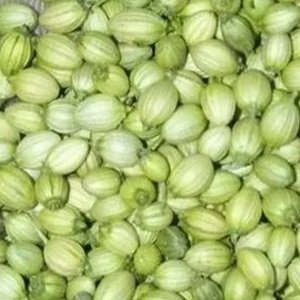
Coriander Seeds (Dhaniya)
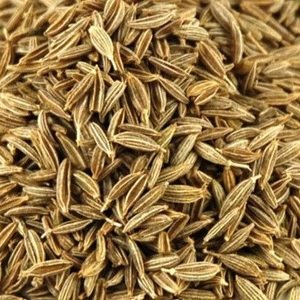
Cumin Seeds (Jeera)
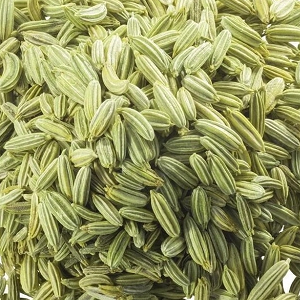
Fennel Seeds (Saunf)
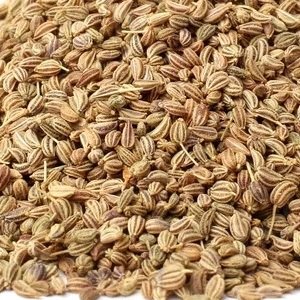
Carom Seeds (Ajwain)
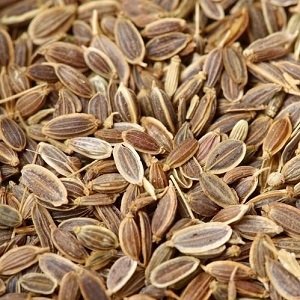
Dill Seeds (Suva)
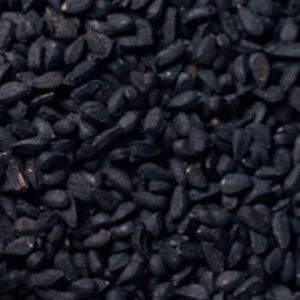
Nigella Seeds (Kalonji)
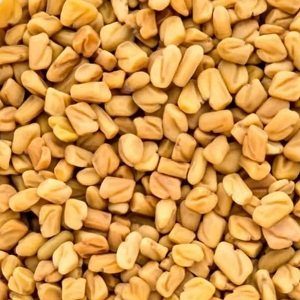
Fenugreek Seeds (Methi)
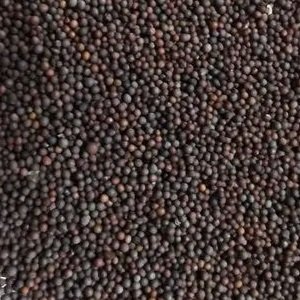
Mustard Seeds (Sarson)
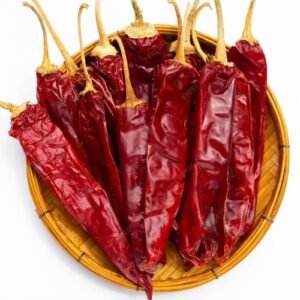
Red Chilli (Lal Mirch)