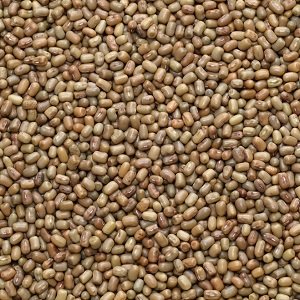
Pulses
PULSES
Pulses such as lentils, chickpeas, beans and peas are among India’s most significant agricultural products and play a central role in the nation’s nutrition and food culture. As the world’s largest producer and consumer of pulses, India contributes substantially to global supply while meeting the dietary needs of millions at home. Their naturally high protein content, affordability and versatility make pulses an essential component of Indian meals, especially in vegetarian diets where they serve as a primary source of plant based protein.
India’s vast agro climatic diversity enables the cultivation of a wide range of pulses across different regions and seasons. This unique advantage, combined with traditional farming expertise and modern processing capabilities, positions India as a global leader in pulse production and export. Indian pulses are valued worldwide for their rich flavor, nutritional density and adaptability to international cuisines from Asian & Middle Eastern dishes to European & American health foods.
For exporters like us, Indian pulses represent a high value, high demand commodity with strong global acceptance. As international markets increasingly shift toward healthier, sustainable and plant based foods, the demand for Indian pulses continues to rise. Their long shelf life, clean natural profile and wide range of culinary and industrial applications make them a preferred choice for importers, food manufacturers and consumers around the world.
HISTORY OF INDIAN PULSES - The Nutritive Legacy
Pulses have been an essential part of the Indian diet and agriculture for thousands of years, with archaeological evidence showing their cultivation in the Indus Valley as early as 2500 BCE. Many major pulses such as pigeon pea, black gram, green gram, moth bean and horse gram were domesticated in India itself, making the subcontinent one of the world’s earliest centers of pulse evolution. Ancient Ayurvedic texts also highlight pulses as vital for balanced nutrition, reflecting their deep cultural and medicinal significance.
Over centuries, pulses became integral to India’s farming systems, especially in dryland regions where their ability to fix nitrogen enriched soils naturally. While the colonial era and later the Green Revolution shifted focus toward cereals, pulses remained central to Indian cuisine from dal & sambar to khichdi. Today, India is the world’s largest producer and consumer of pulses, carrying forward a legacy that spans millennia.
MAJOR PULSES OF INDIA
India grows a wide variety of pulses across different agro climatic zones. major pulses are Gram (Chickpea/Bengal Gram), Pigeon Pea (Tur/Arhar), Green Gram (Moong), Black Gram (Urad), Lentils (Masoor), Garden Pea (Matar), Kidney Bean (Rajma), Cowpea (Lobia/Chawli), Broad Bean (Bakla), Horse Gram (Kulthi) and Moth Bean (Matki) etc
FEATURES OF INDIAN PULSES
Pulses are a cornerstone of India’s agriculture, cuisine and nutrition. They are the edible dry seeds of leguminous plants, grown in pods and available in many shapes, sizes and colours.
KEY FEATURES
High nutritional value: Pulses are rich in protein, fibre, complex carbohydrates, vitamins and minerals, making them essential in Indian diets.
Excellent plant based protein source: They serve as a major protein source for millions, especially in vegetarian households.
Nitrogen fixing ability: Pulses naturally fix nitrogen in the soil, improving soil fertility and reducing the need for chemical fertilizers.
Wide variety & diversity: India grows many types lentils, chickpeas, beans & dry peas each with unique flavours and uses in cooking.
Long shelf life: Since pulses are harvested as dry grains, they store well and remain usable for long periods.
Adaptability to dry climates: Many pulses thrive in semi arid regions, making them ideal for Indian agro climatic conditions.
Low glycemic index: They help regulate blood sugar levels, making them suitable for diabetic friendly diets.
Versatile culinary uses: Used in dals, curries, snacks, flours and even sweets across India’s diverse cuisines.
Environmentally sustainable crop: Pulses require less water compared to cereals and contribute to climate resilience.
Economic importance: India is one of the largest producers and consumers of pulses, making them vital to the agricultural economy.
NUTRITIONAL VALUE OF INDIAN PULSES
Indian pulses are known for their rich and balanced nutritional profile, making them a vital part of the Indian diet. Pulses are high in protein & fibre and provide essential vitamins & minerals. They are also considered nutrient packed legumes that support overall health.
KEY NUTRITIONAL COMPONENTS
High protein content: Pulses are one of the best plant based protein sources, especially important in vegetarian diets.
Rich in dietary fibre: Helps digestion, prevents constipation and supports gut health.
Complex carbohydrates: Provide slow release energy, keeping blood sugar stable.
Low in fat: Most pulses contain very little fat, making them heart‑friendly.
Packed with vitamins: Especially B‑complex vitamins like folate, which supports cell growth.
Mineral rich: Good source of iron, potassium, magnesium and zinc.
Low glycemic index: Helps manage blood sugar levels, suitable for diabetic diets.
Gluten free: Safe for people with gluten intolerance.
HEALTH BENEFITS OF INDIAN PULSES
Indian pulses are widely recognized as nutritional powerhouses, offering multiple health advantages. They are rich in protein, fibre, vitamins & minerals and support heart health, digestion & weight management.
KEY HEALTH BENEFITS
Promote heart health: Their low fat and high fibre content help reduce cholesterol and support cardiovascular health.
Aid digestion: High soluble and insoluble fibre improves digestion, prevents constipation and supports healthy gut bacteria.
Help in weight management: Pulses keep you full for longer due to their protein and fibre, reducing overeating.
Control blood sugar levels: Their low glycemic index helps maintain stable blood glucose, making them suitable for diabetics.
Boost energy levels: Complex carbohydrates provide slow release energy throughout the day.
Support muscle growth: High quality plant protein helps build and repair body tissues.
Improve overall nutrition: Rich in iron, folate, magnesium and potassium, pulses help prevent deficiencies and support immunity.
CULINARY USES OF INDIAN PULSES
Pulses are an essential part of diets across the world because they are nutritious, versatile and easy to cook. Their mild flavour allows them to blend well with a wide range of spices, making them suitable for both traditional and modern dishes.
IN INDIA
Daily dals and curries: Toor, moong, masoor and chana dal are cooked into everyday dals and gravies.
Snacks and street foods: Used in pakoras, dhokla, chaat toppings and sprouted salads.
South Indian dishes: Urad dal and chana dal are key ingredients in idli, dosa, vada and sambar.
Flours for cooking: Besan (gram flour) is used in sweets, snacks and batters.
Rice and mixed dishes: Added to khichdi, pulao, pongal and biryani for extra protein.
Tempering and pickles: Chana dal and urad dal add crunch and aroma in tadka and pickles.
Indian desserts: Moong dal halwa, besan ladoo and chana dal payasam use pulses as the main ingredient.
IN FOREIGN COUNTRIES
Middle Eastern cuisine: Chickpeas are used in hummus, falafel and stews.
Mediterranean dishes: Lentils appear in soups, salads and mezze platters.
Western cuisine: Popular in baked beans, lentil burgers and hearty soups.
African & Caribbean cooking: Pulses are used in curries, rice dishes and stews.
Asian fusion dishes: Added to stir‑fries, noodle bowls and fusion curries.
Vegan and health foods: Used in salads, wraps, protein bowls and plant based meat alternatives.
INDUSTRIAL USES OF INDIAN PULSES
Indian pulses play an important role not only in food consumption but also in various industrial and commercial sectors. Their grains, husks, flours and by products are used in multiple industries because of their high protein, starch content and functional properties.
MAJOR INDUSTRIAL USES
Pulse milling industry: Pulses are processed into split dals through cleaning, dehusking and polishing, forming a major agro processing sector in India.
Flour and food processing: Pulse flours like besan (gram flour) are used in snacks, bakery items, instant mixes and extruded foods.
Snack manufacturing: Roasted chana, namkeen, protein rich snacks and ready‑to‑eat products use processed pulses.
Animal feed industry: Pulse husk, broken grains and seed coats are used as cattle feed and poultry feed due to their protein content.
Protein and starch extraction: Pulses are used to extract plant based proteins and starch for health foods, supplements and vegan products.
Textile and paper industry: Pulse starch is used in textile sizing, paper adhesives and biodegradable glues.
Cosmetic and skincare products: Gram flour and other pulse flours are used in face packs, scrubs and herbal beauty formulations.
Biofuel and biomass: Pulse plant residues and dry sticks are used as fuel and biomass in rural industries.
Eco‑friendly packaging: Pulse starch is increasingly explored for making biodegradable packaging materials.
DOMESTIC SALES
Domestic sales refer to the sale, distribution and consumption of pulses within India. Since pulses are a staple food across the country, the domestic market is one of the largest and most active segments of the pulse economy.
KEY POINTS ON DOMESTIC SALES
High national demand: Pulses are consumed daily in most Indian households, creating strong and steady domestic demand.
Multiple marketing channels: Sales take place through mandis, wholesalers, retailers, supermarkets and online grocery platforms.
Role of processing units: Dal mills, besan (gram flour) units and snack manufacturers buy large quantities of pulses for processing and resale.
Seasonal price variation: Domestic sales are influenced by harvest seasons, rainfall, market arrivals and government price policies.
Government procurement: Government Agencies purchase pulses to stabilize prices and maintain buffer stocks.
Regional consumption patterns: Different states prefer different pulses (e.g., toor in Maharashtra, urad in South India), shaping regional sales trends.
Growth of branded products: Urban consumers increasingly buy packaged, cleaned and graded pulses, boosting organized retail sales.
EXPORT OF PULSES FROM INDIA
India exports a variety of pulses such as chickpeas, lentils, pigeon peas, mung beans, urad and processed products like roasted gram and besan to countries including Bangladesh, Sri Lanka, UAE, Nepal, USA, UK and Malaysia. Although most pulses are consumed domestically, exports contribute significantly to foreign exchange earnings and support India’s presence in global markets. Growing international demand for plant based proteins, vegan foods and high quality pulse products has boosted India’s export potential. The government, through export promotion council, promotes pulse exports by ensuring quality standards, certification and trade support, though challenges like fluctuating production and domestic consumption sometimes affect export volumes.
SUN AGRI INDUSTRIES is leading manufacture & government recognized exporters and domestic supplier of pulse such as Gram/Chickpea/Bengal Gram (Desi Chana), White Chickpea (Kabuli Chana), Pigeon Pea (Tur/Arhar), Green Gram (Moong), Black Gram (Urad), Lentils (Masoor), Garden Pea (Matar), Kidney Bean (Rajma), Cowpea (Lobia/Chawli), Broad Bean (Bakla), Horse Gram (Kulthi), Moth Bean (Matki) etc
OUR POPULAR PULSES PRODUCTS

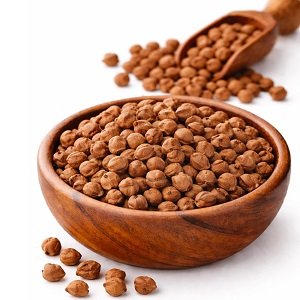
Chickpea (Desi Chana)
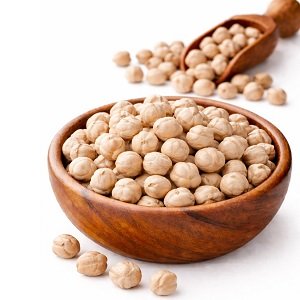
White Chickpea (Kabuli Chana)
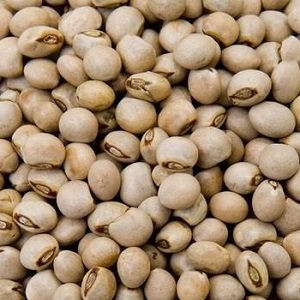
Pigeon Pea (Tur/Arhar)
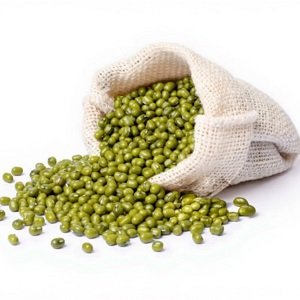
Green Gram (Moong)
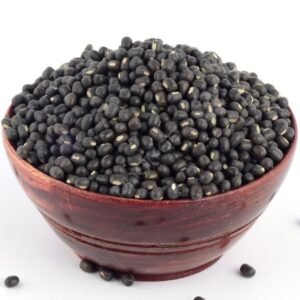
Black Gram (Urad)
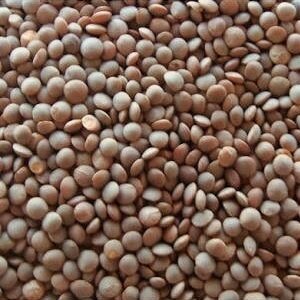
Lentils (Masoor)
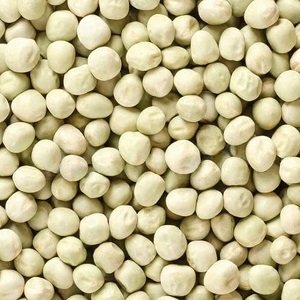
Garden Pea (Matar)
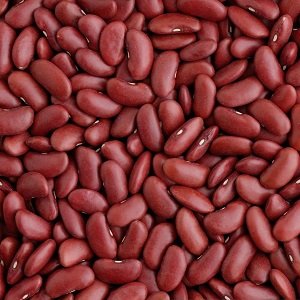
Kidney Bean (Rajma)
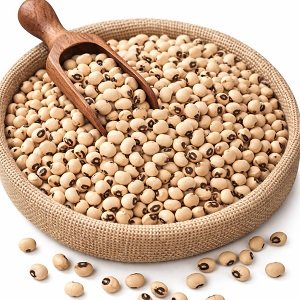
Cowpea (Lobia/Chawli)
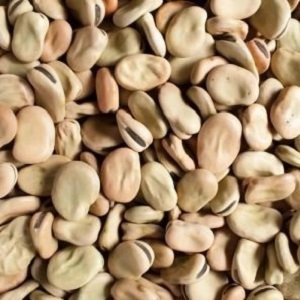
Broad Bean (Bakla)
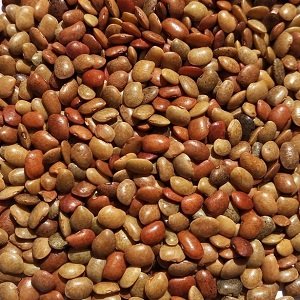
Horse Gram (Kulthi)