Oil Seeds
EDIBLE OIL SEEDS
Indian edible oil seeds form a crucial part of the country’s agricultural and nutritional landscape, supplying the oils that are central to everyday cooking and traditional food practices. Major edible oil seed crops include groundnut, mustard, rapeseed, sesame, sunflower, safflower and soybean. Grown across diverse agro‑climatic regions, these seeds provide oils rich in essential fatty acids, vitamins and antioxidants. Their cultivation supports millions of farmers, especially in rain‑fed areas and contributes significantly to rural livelihoods. Beyond oil extraction, the seeds themselves are valued for their protein content and are used in various culinary preparations.
A key strength of edible oil seeds lies in their versatility and the value they generate across the agricultural chain. After oil extraction, the remaining oilcakes serve as high quality livestock feed and organic manure, enhancing soil fertility and supporting sustainable farming. Many edible oil seeds also hold cultural significance – sesame in festive foods, mustard in regional cuisines and groundnut in traditional snacks. Together, these crops form a vibrant and essential segment of Indian agriculture, enriching diets, strengthening rural economies and supporting a wide range of food and farm based industries.
HISTORY OF INDIAN EDIBLE OIL SEEDS - The Ancient Oil Heritage
The history of edible oil seeds in India is deeply rooted in the country’s ancient agricultural traditions and cultural practices. Texts like the Vedas, Charaka Samhita and Arthashastra mention oil yielding crops such as sesame, mustard, safflower and linseed, showing that these seeds were cultivated thousands of years ago for food, healing and rituals. Sesame oil held a sacred place in ceremonies and Ayurvedic treatments, while mustard oil shaped the culinary identity of northern and eastern India. These crops thrived across diverse landscapes, becoming essential to early farming systems and village life.
Over time, the cultivation of edible oil seeds expanded with the growth of regional kingdoms, trade routes and traditional industries. Groundnut, introduced later through global exchanges, quickly adapted to Indian soils and became a major edible oil seed in western and southern regions. Traditional extraction methods like wooden ghanis supported rural economies, producing oils used for cooking, lighting and medicinal preparations. As agriculture evolved, improved varieties and better farming practices strengthened productivity, yet the cultural and nutritional importance of edible oil seeds remained unchanged.
Today, the legacy of India’s edible oil seeds reflects a blend of ancient wisdom and agricultural resilience. Their journey from sacred rituals to everyday kitchens highlights their enduring role in shaping India’s food culture, supporting rural livelihoods and preserving traditional knowledge systems.
MAJOR EDIBLE OIL SEEDS OF INDIA
India grows a wide variety of edible oil seeds across different agro climatic zones. major edible oil seeds are Groundnut Kernel (Mungfali / Singdana), Mustard Seed (Sarson / Rai), Rapeseed (Toria / Taramira / Rai), Sesame Seed (Til), Sunflower Seed (Surajmukhi), Safflower Seed (Kusum / Kardi), Soybean (Bhat / Soya), Niger Seed (Ramtil / Gujji), Flaxseed / Linseed (Alsi) etc
FEATURES OF INDIAN EDIBLE OIL SEEDS
Indian edible oilseeds are vital for food security, nutrition and rural livelihoods. They are diverse (soybean, groundnut, mustard, sunflower, sesame, etc.) serve as major sources of dietary fats and vitamins and are central to India’s agricultural economy.
KEY FEATURES
Nutritional importance: Oilseeds provide essential dietary fats, energy and fat soluble vitamins (A, D, E, K). They help combat hidden hunger and improve calorie intake, especially among underprivileged populations.
Diverse varieties: India grows a wide range of oilseeds including soybean, groundnut, mustard, sunflower, sesame, safflower and rapeseed, Each has unique agro-climatic suitability and nutritional value.
Cash crop role: Oilseeds are important commercial crops, sustaining rural incomes and employment. They are a major source of livelihood for millions of farmers.
Food security contribution: Edible oils are a staple in Indian diets, making oilseeds crucial for national food and nutritional security.
Agro-climatic adaptability: Oilseeds are grown across varied regions from rainfed areas to irrigated zones making them versatile crops in India’s diverse climate.
Economic significance: Oilseed cultivation supports allied industries such as processing, refining and exports, strengthening India’s agricultural value chain.
Government initiatives: Programs like the National Mission on Edible Oils (NMEO) aim to boost domestic production and promote sustainable cultivation.
NUTRITIONAL VALUE OF INDIAN EDIBLE OILSEEDS
Indian edible oilseeds are rich sources of energy, healthy fats, proteins, vitamins, minerals and bioactive compounds, making them vital for nutrition and health. They provide essential fatty acids (omega‑3 and omega‑6), support heart health and contribute to balanced diets across the country.
KEY NUTRITIONAL COMPONENTS
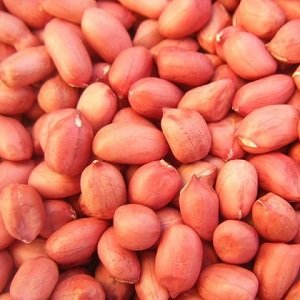
Groundnut (Mungfali / Singdana): Groundnut kernels is rich in oil (45–50%) and protein (25–30%). It provides vitamin E, niacin, folate, magnesium and antioxidants. Nutritionally, it supports heart health, energy and muscle growth.
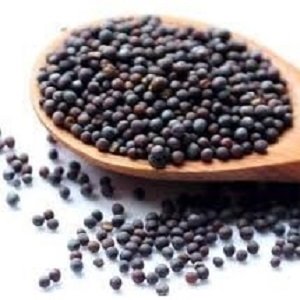
Mustard Seed (Sarson / Rai): Mustard seeds contains 30–40% oil, with omega‑3 fatty acids, selenium and glucosinolates. It aids digestion, boosts immunity and has anti‑inflammatory properties, while its oil is a staple in Indian cooking.
Rapeseed (Toria / Taramira / Rai): Rapeseeds contains about 44–48% oil and 18–20% protein, making it both energy dense and nutritious. Its oil is rich in omega‑3 and omega‑6 fatty acids, vitamin E and phytosterols, which support heart health, lower cholesterol and provide antioxidant protection.
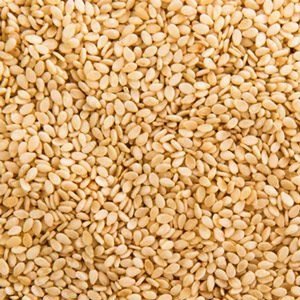
Sesame (Til): Sesame seeds yield 45–50% oil and are packed with calcium, iron, zinc, vitamin B1 and antioxidants like sesamol and sesamin. They strengthen bones, enhance immunity and provide antioxidant protection.
Sunflower (Surajmukhi): Sunflower seeds contain 40-50% oil, rich in vitamin E, phytosterols and linoleic acid. They help lower cholesterol, promote heart health and improve skin vitality.
Safflower (Kusum / Kardi): Safflower seeds has 35–40% oil, high in linoleic acid and vitamin E. It improves lipid metabolism, supports cardiovascular health and nourishes skin.
Soybean (Bhat / Soya): Soybean yields 18–22% oil but is especially valued for its protein content (~40%). It also contains isoflavones, iron and calcium, supporting hormonal balance, bone strength and cholesterol reduction.
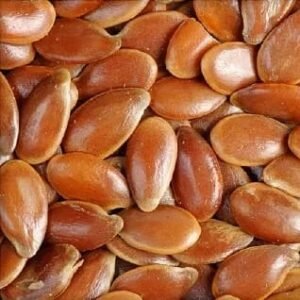
Flaxseed (Alsi): Flaxseeds contains 30–40% oil, rich in omega‑3 fatty acids (ALA), lignans and fiber. It promotes heart health, digestive wellness and offers protective antioxidant properties.
Niger Seed (Ramtil / Gujji): Niger seeds yields 30–40% oil, with linoleic acid, protein, calcium and iron. It is a traditional energy source in tribal diets and supports growth and vitality.
HEALTH BENEFITS OF INDIAN EDIBLE OILSEEDS
Indian edible oilseeds provide multiple health benefits, including heart protection, improved digestion, stronger bones and antioxidant support. They are rich in healthy fats, proteins, vitamins and minerals that make them vital for balanced nutrition.
Groundnut (Mungfali / Singdana): Groundnut kernels are high in oil, protein and vitamin E, which help maintain cardiovascular health, support muscle growth and provide sustained energy.
Mustard Seed (Sarson / Rai): Mustard Seeds oil is rich in omega‑3 fatty acids and selenium, offering anti‑inflammatory properties, aiding digestion and boosting immunity.
Rapeseed (Toria / Taramira / Rai): Rapeseeds oil is heart‑friendly, rich in omega‑3 and omega‑6 fatty acids and packed with vitamin E antioxidants that lower cholesterol and boost immunity.
Sesame (Til): Sesame seeds are loaded with calcium, iron, zinc and antioxidants like sesamol, which strengthen bones, improve skin health and protect against oxidative stress.
Sunflower (Surajmukhi): Sunflower oil contains vitamin E and phytosterols that lower cholesterol, promote heart health and enhance skin vitality.
Safflower (Kusum / Kardi): Safflower oil is high in linoleic acid, which improves lipid metabolism, supports cardiovascular wellness and nourishes skin.
Soybean (Bhat / Soya): Soybean provides protein, isoflavones, iron and calcium, helping reduce cholesterol, balance hormones and strengthen bones.
Flaxseed (Alsi): Flaxseeds is rich in omega‑3 fatty acids, lignans and fiber, which promote heart health, aid digestion and may reduce cancer risk.
Niger Seed (Ramtil / Gujji): Niger seeds oil is a traditional energy source, rich in linoleic acid and minerals, supporting growth and vitality in tribal diets.
CULINARY USES OF INDIAN EDIBLE OILSEEDS
Indian edible oilseeds are an integral part of culinary traditions. They are widely used for extracting cooking oils, tempering dishes, preparing pickles, making sweets and enhancing traditional recipes. Each seed contributes its unique flavour, aroma and nutritional value, enriching both Indian and international cuisines.
IN INDIA
Groundnut (Mungfali): Roasted as snacks, made into chutneys and used in sweets like chikki; oil for frying.
Mustard (Sarson): Seeds for tempering dals and curries; mustard oil for frying vegetables and pickles.
Rapeseed (Toria/Rai): Oil used in cooking, frying and pickles.
Sesame (Til): Used in laddoos, gajak, chutneys and pickles; sesame oil in South Indian cooking.
Sunflower (Surajmukhi): Neutral oil for everyday cooking, frying and baking.
Safflower (Kusum): Oil used in cooking in Maharashtra and tribal regions.
Soybean (Soya): Soy chunks and flour in curries, snacks and protein rich foods; soybean oil for cooking.
Flaxseed (Alsi): Added to rotis, laddoos, chutneys; flaxseed oil in health foods.
Niger Seed (Ramtil): Oil used in tribal cooking; roasted seeds eaten as snacks.
IN FOREIGN COUNTRIES
Groundnut (Peanut): Peanut butter in the US, satay sauce in Southeast Asia, peanut soups in Africa.
Mustard: Dijon mustard in France, hotdog mustard in the US, mustard pastes in Germany.
Rapeseed : Widely used in North America and Europe for frying, baking and salad dressings.
Sesame: Tahini in Middle Eastern cuisine, sesame toppings on bagels and sushi in Japan, sesame oil in Chinese stir fries.
Sunflower: Used in baking, salad dressings and margarine production in Europe and North America.
Safflower: Salad oils and dietary supplements in Western countries.
Soybean: Tofu, soy milk and soy sauce in East Asia; soy protein in health foods globally.
Flaxseed: Added to smoothies, cereals and baked goods in Western diets; flaxseed oil in salads.
Niger Seed: Used in Ethiopia for traditional dishes like niter kibbeh (spiced clarified butter).
INDUSTRIAL USES OF INDIAN EDIBLE OILSEEDS
Indian edible oilseeds are not only vital for food but also have wide industrial applications, ranging from biofuels to cosmetics. Their oils, proteins and by‑products are used across multiple sectors in India and abroad
Groundnut: Groundnut Oil is used in soap making, lubricants and cosmetics; groundnut cake serves as animal feed and fertilizer.
Mustard: Mustard oil is applied in massage oils, hair oils and ointments; mustard cake is used as organic manure and cattle feed.
Sesame: Sesame oil is used in pharmaceuticals, cosmetics and as a carrier oil in aromatherapy; seed cake is used in livestock feed.
Sunflower: Sunflower oil is used in margarine, paints and biodiesel; sunflower meal is a protein rich animal feed.
Safflower: Safflower Oil is used in paints, varnishes and biodiesel; seed cake is used as fodder.
Soybean: Soy oil is used in biodiesel, printing inks and industrial lubricants; soy protein is used in adhesives and plastics, Soybean meal is a protein rich animal feed.
Flaxseed: Flaxseed oil (linseed oil) is widely used in paints, varnishes, linoleum flooring and printing inks.
Niger Seed: Niger Seed Oil is used in soaps and light lubricants; seed cake is used as cattle feed.
Rapeseed: Rapeseed oil is used in biodiesel, lubricants and industrial coatings; rapeseed meal is used as animal feed.
DOMESTIC SALES
India is a major producer of oilseeds like soybean, groundnut, mustard, rapeseed, sesame, sunflower, safflower, flaxseed and niger seed.
KEY POINTS ON DOMESTIC SALES
Domestic sales happen through local mandis, cooperatives and private traders, ensuring wide availability across regions.
Market demand is strong for groundnut, soybean and mustard oils, with sunflower and sesame gaining popularity for health benefits.
Oilseed cakes (by‑products after oil extraction) are sold domestically as cattle feed and organic manure, adding value to the market.
Government agencies monitor production and sales to maintain price stability and encourage farmers to expand cultivation.
Future outlook emphasizes strengthening domestic sales by improving yields, promoting healthier oils and supporting farmer cooperatives.
EXPORT OF EDIBLE OIL SEEDS FROM INDIA
India exports a wide range of edible oilseeds such as soybean, groundnut, mustard, sesame, sunflower and rapeseed to global markets. These oilseeds are valued for their nutritional richness and versatility, finding use in cooking, food processing, cosmetics and industrial applications abroad. Export destinations span Asia, Europe, Africa and North America, where demand for plant based and healthier oils continues to grow. While domestic consumption remains the priority, exports of Indian oilseeds steadily contribute to the country’s agricultural trade and global presence.
SUN AGRI INDUSTRIES is leading manufacture & government recognized exporters and domestic supplier of edible seeds such as Groundnut Kernel (Mungfali / Singdana), Mustard Seed (Sarson / Rai), Rapeseed (Toria / Taramira / Rai), Sesame Seed (Til), Sunflower Seed (Surajmukhi), Safflower Seed (Kusum / Kardi), Soybean (Bhat / Soya), Niger Seed (Ramtil / Gujji), Flaxseed / Linseed (Alsi) etc
OUR POPULAR EDIBLE OIL SEED PRODUCTS

Groundnut Kernel (Mungfali)
Mustard Seed (Sarson)
Sesame Seed (Til)
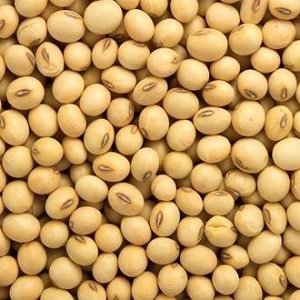
Soybean (Soya)
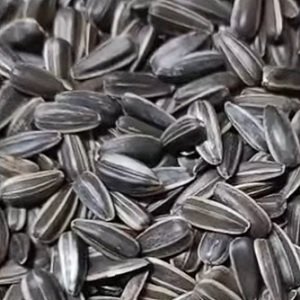
Sunflower Seed (Surajmukhi)
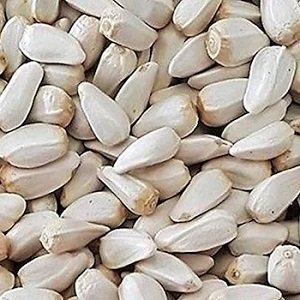
Safflower Seed (Kusum)
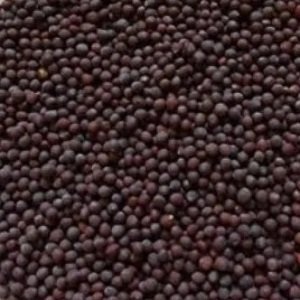
Rapeseed (Toria)