Fruits
Indian fruits are known for their superior unique quality, rich nutrition, and an unmatched variety grown across diverse climates. Their natural sweetness, aroma, freshness and juiciness deliver a delightful taste experience.
FRUITS
India is one of the largest producers of fruits in the world, thanks to its diverse climate and geography that support tropical, subtropical and temperate varieties. Tropical fruits like mango, banana, papaya, guava and jackfruit are widely grown across the country, while subtropical fruits such as citrus, litchi, pomegranate and grapes thrive in northern and western regions. In the Himalayan belt, temperate fruits like apple, pear, plum and cherry are cultivated, adding to the country’s rich fruit diversity. Indigenous fruits such as amla, jamun and custard apple also hold cultural and medicinal importance.
Beyond their variety, Indian fruits are valued for their nutritional richness and cultural significance. Mangoes, often called the “king of fruits,” are central to summer celebrations, while bananas and citrus fruits are everyday staples. Fruits provide essential vitamins, minerals, fiber and antioxidants, supporting health and wellness. Economically, they contribute significantly to India’s agricultural output, with mangoes, bananas, grapes and pomegranates being major export commodities. Indian fruits thus play a vital role in daily diets, traditional practices and international trade, making them both a nutritional heritage and a global agricultural asset.
HISTORY OF INDIAN FRUITS - The Ancient Fruit Heritage
India’s fruits have a history that stretches back thousands of years, deeply woven into its agriculture, trade and cultural traditions. Native fruits like mango, banana and jackfruit have been cultivated since ancient times, with references found in Vedic texts and Buddhist literature. Mangoes, often called the “king of fruits,” were cherished by emperors and became symbols of prosperity, while bananas and jackfruit served as staple foods in tropical regions. Over centuries, fruits like guava, papaya and pineapple were introduced through colonial trade, enriching India’s orchards and diets.
Beyond nutrition, fruits played a vital role in rituals, Ayurveda and festivals, symbolizing purity, abundance and health. The Mughal era saw the rise of grand fruit gardens, while Portuguese traders carried Indian mangoes and tamarind across the world, shaping global cuisines. Today, India is one of the largest producers of fruits, with diverse varieties grown across its climates from apples in Himachal Pradesh to bananas in Kerala. This rich legacy reflects not only India’s biodiversity but also its cultural and historical connection to fruits as both sustenance and heritage.
MAJOR FRUITS OF INDIA
India grows a wide variety of fruits across different agro climatic zones. major fruits are Mango (Aam), Banana (Kela), Apple (Seb), Guava (Amrood), Papaya (Papita), Jackfruit (Kathal), Pomegranate (Anar), Orange (Santra), Grapes (Angoor), Coconut (Nariyal), Lychee (Litchi), Pineapple (Ananas), Custard Apple (Sitaphal), Watermelon (Tarbooz), Muskmelon (Kharbooja), Sapota / Sapodilla (Chikoo), Jamun (Jamun), Tamarind (Imli), Ber (Indian Jujube), Amla (Indian Gooseberry) etc
FEATURES OF INDIAN FRUITS
India is home to one of the richest varieties of fruits in the world, thanks to its diverse climates and fertile lands. From tropical mangoes and bananas to temperate apples and pears, fruits in India are not just food but also symbols of culture, tradition and health. They play a vital role in daily diets, festivals and Ayurveda.
KEY FEATURES
Diversity: India grows a wide range of fruits due to its varied climate zones from tropical mangoes and bananas to temperate apples and pears.
Seasonal richness: Different fruits thrive in different seasons – mangoes in summer, oranges in winter, lychees in monsoon.
Nutritional value: Indian fruits are rich in vitamins, minerals and antioxidants. Amla (gooseberry) is packed with Vitamin C, while papaya aids digestion.
Cultural significance: Fruits are deeply tied to traditions – coconuts in rituals, mangoes in festivals, pomegranates in Ayurveda.
Global reputation: Indian mangoes, bananas and guavas are exported worldwide, admired for their flavor and quality.
Regional specialties: Each state has signature fruits – Nagpur oranges, Himachal apples, Bihar lychees, Kerala bananas.
Economic importance: India is one of the largest producers of fruits globally, contributing significantly to agriculture and exports.
Medicinal use: Many fruits like amla, jamun and pomegranate are used in Ayurveda for healing and wellness.
Variety of uses: Fruits are eaten fresh, dried, juiced or cooked – jackfruit as a vegetable, coconut for oil, mango in pickles.
NUTRITIONAL VALUE OF INDIAN FRUITS
India’s fruits are a vibrant blend of taste and nutrition, shaped by the country’s diverse climates and rich agricultural heritage. From the tropical sweetness of mangoes to the medicinal power of amla, these fruits are not only everyday foods but also natural sources of essential nutrients. They provide energy, strengthen immunity and play a vital role in Ayurveda and traditional diets.
KEY NUTRITIONAL COMPONENTS
Vitamins:
Vitamin C: Found in amla, guava, orange, papaya; boosts immunity, skin health and wound healing.
Vitamin A: Present in mango, papaya, watermelon; supports vision, growth and cell repair.
Vitamin B6: Abundant in bananas; aids metabolism, brain function and hormone regulation.
Minerals:
Potassium: High in bananas, coconut water, jackfruit; regulates blood pressure and heart health.
Iron: Present in pomegranate and jamun; supports red blood cell formation and prevents anemia.
Calcium: Found in figs and custard apple; strengthens bones and teeth.
Fiber: Apples, guava, papaya and chikoo are rich in dietary fiber; improve digestion and prevent constipation.
Antioxidants: Grapes, pomegranate, mango and lychee contain polyphenols and carotenoids; protect against cell damage and aging.
Natural Sugars & Energy: Mango, banana and chikoo provide quick energy through natural glucose and fructose.
Unique Phytochemicals: Papain in papaya aids digestion, Resveratrol in grapes supports heart health & Tannins in jamun help regulate blood sugar levels.
HEALTH BENEFITS OF INDIAN FRUITS
Indian fruits are more than just delicious, they are natural medicines packed with vitamins, minerals, fiber and antioxidants. From mangoes that boost immunity to amla that detoxifies the body, these fruits have been valued in Ayurveda and traditional diets for centuries. Their health benefits range from improving digestion to protecting the heart and enhancing skin health.
KEY HEALTH BENEFITS
Mango (Aam): Rich in Vitamin A and C; strengthens immunity, improves eyesight and promotes healthy skin.
Banana (Kela): High in potassium and fiber; supports heart health, aids digestion and provides quick energy.
Apple (Seb): Packed with fiber and antioxidants; helps reduce cholesterol, supports digestion and boosts immunity.
Guava (Amrood): Extremely rich in Vitamin C; enhances immunity, improves skin texture and aids digestion.
Papaya (Papita): Contains papain enzyme; improves digestion, supports skin health and reduces inflammation.
Jackfruit (Kathal): High in fiber and potassium; promotes gut health, lowers blood pressure and strengthens immunity.
Pomegranate (Anar): Rich in iron and antioxidants; improves blood circulation, supports heart health and prevents anemia.
Orange (Santra): Excellent source of Vitamin C; boosts immunity, hydrates the body and enhances skin glow.
Grapes (Angoor): Contains resveratrol; supports heart health, reduces aging effects and improves brain function.
Coconut (Nariyal): Provides healthy fats and electrolytes; aids hydration, boosts energy and supports metabolism.
Lychee (Litchi): Rich in Vitamin C and antioxidants; improves immunity, supports skin health and aids digestion.
Amla (Indian Gooseberry): Superfood with very high Vitamin C; detoxifies the body, strengthens immunity and slows aging.
Jamun (Jamun): Contains iron and tannins; helps regulate blood sugar, supports digestion and improves oral health.
CULINARY USES OF INDIAN FRUITS
Indian fruits are celebrated not only in local kitchens but also across the world. Their versatility allows them to be used in traditional Indian dishes like chutneys, curries and sweets, while globally they feature in juices, desserts, wines and gourmet recipes. This dual culinary role highlights how Indian fruits bridge heritage and modern gastronomy.
IN INDIA
Mango (Aam): Used in aamras, pickles, chutneys, lassi, kulfi and festive sweets.
Banana (Kela): Eaten raw, fried as chips, steamed in South Indian dishes or made into halwa.
Guava (Amrood): Consumed fresh, made into jams, guava cheese and spicy chutneys.
Papaya (Papita): Used in salads, smoothies, curries (raw papaya) and halwa.
Jackfruit (Kathal): Cooked as vegetable curry, used in biryani, chips and sweets.
Pomegranate (Anar): Seeds used in raita, salads, juices; dried seeds (anardana) as spice.
Coconut (Nariyal): Integral in curries, chutneys, laddoos, barfi and South Indian drinks.
Amla (Gooseberry): Made into murabba, pickles, chutneys and Ayurvedic tonics.
Jamun (Jamun): Consumed fresh, used in sherbets and medicinal preparations.
IN FOREIGN COUNTRIES
Mango: Used in smoothies, ice creams, cheesecakes and globally popular mango salsa.
Banana: Incorporated into banana bread, pancakes, muffins and desserts worldwide.
Guava: Popular in Latin America for guava paste (goiabada) and pastries.
Papaya: Used in tropical fruit salads, Thai curries and Caribbean smoothies.
Jackfruit: Gaining popularity as a vegan meat substitute in tacos and burgers.
Pomegranate: Seeds used in Mediterranean salads, Middle Eastern couscous and cocktails.
Coconut: Widely used in Thai curries, Indonesian satay sauces and desserts like coconut macaroons.
Lychee: Featured in cocktails, sorbets and Asian desserts.
Amla: Exported for supplements and herbal teas in wellness industries abroad.
Grapes: Used globally for wine, raisins and desserts.
INDUSTRIAL USES OF INDIAN FRUITS
Indian fruits are not only consumed fresh but also processed and utilized across multiple industries. Their nutritional richness, flavour and by‑products make them valuable in food processing, pharmaceuticals, cosmetics and even bio‑energy. India’s vast fruit production supports a thriving industrial sector that transforms fruits into diverse products for domestic and global markets.
MAJOR INDUSTRIAL USES
Food & Beverage Industry
Juices & Concentrates: Mango, orange, guava and pineapple are processed into packaged juices, nectars and concentrates.
Jams, Jellies & Preserves: Fruits like guava, apple and strawberry are used in spreads.
Pickles & Chutneys: Mango, lime and amla are processed into pickles and condiments.
Frozen & Dried Products: Grapes into raisins, mango pulp into frozen desserts, banana chips.
Confectionery & Bakery
Fruits like mango, banana and apple are used in cakes, candies, ice creams and syrups.
Pulp and puree industries supply raw material for jams, pastries and chocolates.
Pharmaceuticals & Ayurveda
Amla: Used in tonics, Vitamin C supplements and Ayurvedic medicines.
Jamun: Processed into powders and tablets for diabetes management.
Pomegranate: Extracts used for iron supplements and antioxidants.
Cosmetics & Personal Care
Papaya: Enzymes used in face packs, scrubs and soaps.
Coconut: Oil used in hair care, skincare and soaps.
Aloe Vera & Fruit Extracts: Incorporated into creams, shampoos and herbal cosmetics.
Bio‑Energy & Industrial By‑Products
Coconut husk: Used in coir industry for ropes, mats and brushes.
Fruit seeds: Oil extraction (e.g., mango kernel oil, grape seed oil).
Banana stem & leaves: Used in fiber production and eco‑friendly packaging.
DOMESTIC SALES
India’s domestic fruit market is one of the largest in the world, driven by rising demand for fresh produce, processed products and changing consumer preferences. The market is expanding steadily, with mangoes, bananas, apples and grapes leading sales across regions.
KEY POINTS ON DOMESTIC SALES
Market Size: India’s fruit market has shown consistent growth, with domestic consumption expanding year after year due to urbanization, rising incomes and health awareness.
Top Fruits Sold Domestically: Mango, banana, apple, guava, papaya, grapes and pomegranate dominate sales, accounting for the majority of fresh fruit consumption.
Regional Demand:
North India: Apples, pears and citrus fruits are highly consumed.
South India: Bananas, coconuts and papayas dominate.
West India: Mangoes (especially Alphonso), grapes and pomegranates are popular.
East India: Lychee, pineapple and bananas are widely consumed.
Distribution Channels: Fruits are sold through traditional markets (mandis), supermarkets, hypermarkets, specialty fruit stores and increasingly through online platforms.
Processed Fruit Sales: Beyond fresh consumption, processed fruit products like juices, jams, concentrates, raisins and frozen pulp contribute significantly to domestic sales.
EXPORT OF FRUITS FROM INDIA
India is among the leading exporters of tropical and subtropical fruits, supplying fresh and processed varieties to global markets. Mangoes, bananas, grapes, pomegranates, guavas, papayas, coconuts and lychees are the most prominent exports, with mango pulp, guava puree, raisins and pomegranate arils adding significant value in the processed category. These fruits are prized internationally for their flavor, nutritional richness and versatility in culinary and industrial uses.
The major destinations for Indian fruit exports include the Middle East, North America and Europe, where demand for tropical fruits continues to rise. Improvements in cold chain logistics, packaging and compliance with international standards have strengthened India’s position in global trade. Despite challenges such as seasonal supply and strict quality regulations, exports of Indian fruits are expanding steadily, contributing to agricultural growth and enhancing India’s reputation as a reliable supplier of high quality produce.
SUN AGRI INDUSTRIES is leading manufacture & government recognized exporters and domestic supplier of agricultural products including fruits such as Mango (Aam), Banana (Kela), Apple (Seb), Guava (Amrood), Papaya (Papita), Jackfruit (Kathal), Pomegranate (Anar), Orange (Santra), Grapes (Angoor), Coconut (Nariyal), Lychee (Litchi), Pineapple (Ananas), Custard Apple (Sitaphal), Watermelon (Tarbooz), Muskmelon (Kharbooja), Sapota / Sapodilla (Chikoo), Jamun (Jamun), Tamarind (Imli), Ber (Indian Jujube), Amla (Indian Gooseberry) etc
OUR POPULAR FRUIT PRODUCTS


Mango (Aam)

Banana (Kela)
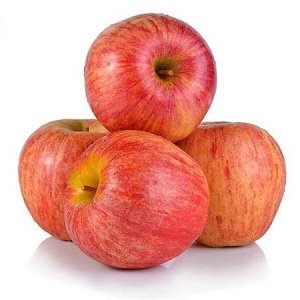
Apple (Seb)
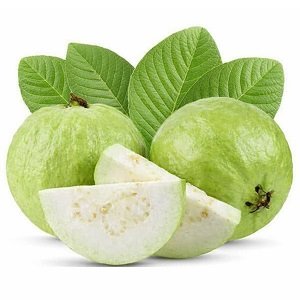
Guava (Amrood)
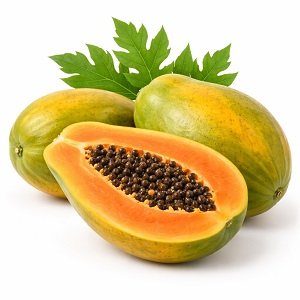
Papaya (Papita)
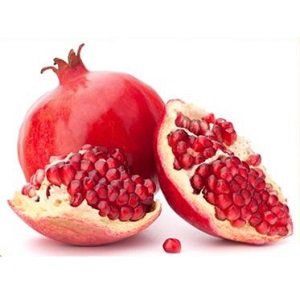
Pomegranate (Anar)

Muskmelon (Kharbooja)

Orange (Santra)

Grapes (Angoor)
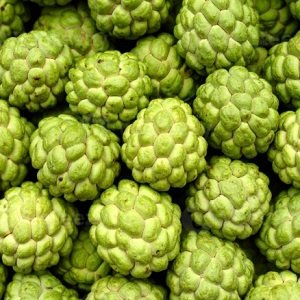
Custard Apple (Sitaphal)
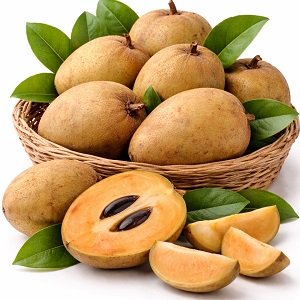
Sapota (Chikoo)

Pineapple (Ananas)
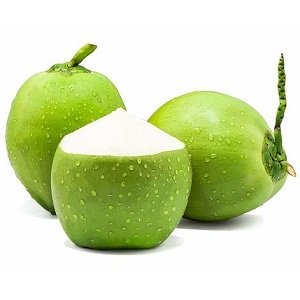
Coconut (Nariyal)