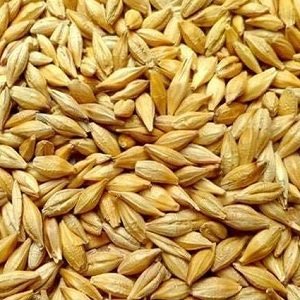
Cereals
Cereals are an important part of a healthy diet. Cereals are nutrient-dense, low in fat, and often fortified with vitamins & minerals and also a good source of protein, fiber & energy.
CEREALS
Indian cereals form the backbone of the country’s agricultural landscape, dietary habits and food security system. As one of the world’s largest producers of grains, India cultivates a diverse range of cereals suited to its varied climates from the fertile plains of the north to the semi‑arid regions of the south. Major cereals include rice, wheat, maize, barley and sorghum, along with a rich variety of millets such as bajra, ragi and jowar. These grains are not only staple foods for millions but also deeply tied to cultural traditions, regional cuisines and seasonal farming cycles. Their adaptability to different soils and climates has made cereals a reliable foundation of Indian agriculture for centuries.
Beyond their cultural and economic importance, Indian cereals play a crucial role in nutrition and sustainability. Rice and wheat dominate consumption patterns, providing essential carbohydrates and energy, while millets often called “nutri‑cereals” offer richer fiber, essential minerals and greater drought tolerance, making them vital for both health and sustainable farming. India’s leadership in promoting millets globally reflects a growing recognition of their value in combating climate challenges and improving nutrition. Together, these cereals form a dynamic system that supports food security, rural livelihoods and the country’s diverse culinary heritage.
HISTORY OF INDIAN CEREALS - The Nourishing Legacy
The history of Indian cereals stretches back thousands of years and is deeply intertwined with the rise of early civilizations on the subcontinent. Archaeological evidence from the Indus Valley Civilization shows that people cultivated wheat, barley and some early forms of millets as far back as 3000 BCE. These grains supported settled agriculture, allowing communities to grow in size and complexity. Over time, rice cultivation spread from eastern regions like Assam and Bengal, eventually becoming a dominant crop due to India’s monsoon climate and fertile river plains. Ancient texts such as the Vedas and early Ayurvedic writings also mention cereals as essential foods, highlighting their cultural and nutritional importance.
As kingdoms and empires expanded, cereals became central to trade, taxation and food systems across India. Millets like bajra, ragi and jowar thrived in dry regions, while rice and wheat dominated fertile areas, creating distinct regional food cultures. During the medieval period, new crops such as maize were introduced through global trade routes, adding to India’s agricultural diversity. In the modern era, the Green Revolution transformed cereal production especially wheat and rice making India one of the world’s largest grain producers. Today, cereals remain vital not only for food security but also for cultural identity, with renewed interest in traditional millets reflecting a return to sustainable and nutritious farming practices.
MAJOR CEREALS OF INDIA
Cereals are central to Indian food habits, agriculture and nutrition. They form the backbone of the country’s farming system and daily diet, providing the primary source of energy for a large section of the population. Major cereals are Rice (Chawal), Wheat (Gehu), Maize (Makka), Barley (Jau), Sorghum (Jowar), Pearl Millet (Bajra), Finger Millet (Ragi / Nachni), Foxtail Millet (Kangni / Kakum), Little Millet (Kutki), Barnyard Millet (Sanwa / Jhangora), Proso Millet (Cheena) and Kodo Millet (Kodo), etc
FEATURES OF INDIAN CEREALS
Cereals hold a vital place in India’s food system, serving as the primary source of nourishment for a large part of the population. Their production, diversity and adaptability make them essential to both national food security and agricultural sustainability.
KEY FEATURES
Foundation of the Indian diet: Cereals like rice, wheat and millets supply most of the daily calories consumed across the country.
High nutritional value: They provide carbohydrates, proteins, vitamins, minerals and dietary fibre needed for balanced nutrition.
Adaptability to diverse climates: Indian cereals grow successfully in humid, semi‑arid, hilly and drought prone regions.
Large share in cultivated land: A significant portion of India’s agricultural area is devoted to cereal crops.
Economic importance: Millions of farmers depend on cereal cultivation for income and livelihood.
Rich varietal diversity: India produces rice, wheat, maize, barley and a wide range of millets suited to different soils and climates.
Resilience of millets: Millets like jowar, bajra and ragi thrive in poor soils with minimal rainfall.
Cultural significance: Cereals are deeply connected to Indian festivals, rituals and traditional cuisines.
NUTRITIONAL VALUE OF INDIAN CEREALS
Indian cereals are rich sources of energy and essential nutrients, making them a major contributor to the country’s daily diet. They provide carbohydrates for energy, proteins for growth and important minerals that support overall health.
KEY NUTRITIONAL COMPONENTS
High energy content: Most cereals provide around 330 – 360 kcal per 100 g, making them the primary source of energy for the body.
Good protein source: Cereals like wheat, maize, barley and millets contain 7 – 12 g of protein per 100 g, supporting growth and tissue repair.
Rich in carbohydrates: Cereals are primarily carbohydrate dense (60 – 78 g per 100 g), making them the main energy providers in the Indian diet.
Dietary fibre: Millets and barley contain higher fibre, aiding digestion and improving gut health.
Essential minerals: Cereals supply iron, calcium, phosphorus, magnesium and zinc. for example, Ragi is exceptionally rich in calcium, making it beneficial for bones.
Vitamins: They contain B‑complex vitamins such as thiamine, niacin & riboflavin and Vitamins E, A & K, which support energy metabolism, healthy nerves and overall body functions.
Healthy fats: Though low in fat (1–5 g per 100 g), cereals provide essential fatty acids important for body functions.
Nutrient diversity across cereals: Each cereal has unique strengths, rice is easy to digest, bajra is iron‑rich, maize provides magnesium and millets offer a balanced nutrient profile.
HEALTH BENEFITS OF INDIAN CEREALS
Indian cereals are nutrient rich foods that support overall health, provide sustained energy and help prevent several lifestyle related diseases. Their balanced composition of carbohydrates, proteins, fibre, vitamins and minerals makes them essential for a healthy diet.
KEY HEALTH BENEFITS
Provide sustained energy: Cereals are rich in complex carbohydrates that release energy slowly, keeping the body active for longer.
Support growth and repair: The proteins in wheat, maize, barley and millets help in muscle development and tissue repair.
Improve digestion: High fibre cereals like millets, barley and maize promote healthy digestion, prevent constipation and support gut health.
Boost immunity: Vitamins such as B‑complex, vitamin E, A & K and minerals like iron, zinc and magnesium strengthen the immune system.
Promote heart health: Whole grains help reduce cholesterol levels, regulate blood pressure and lower the risk of heart disease.
Help manage weight: Fibre rich cereals increase satiety, reduce overeating and support healthy weight management.
Strengthen bones: Calcium rich cereals like ragi (finger millet) help improve bone density and prevent bone related disorders.
Regulate blood sugar: Millets and whole grains have a low glycaemic index, making them suitable for people with diabetes.
Support brain and nerve function: B‑vitamins in cereals aid metabolism, nerve health and cognitive function.
Reduce risk of chronic diseases: Regular consumption of whole cereals lowers the chances of obesity, diabetes and cardiovascular diseases.
CULINARY USES OF INDIAN CEREALS
Cereals are incredibly versatile ingredients used across India and the world. Their ability to be transformed into countless dishes makes them central to traditional, modern and global cuisines.
IN INDIA
Rice preparations: Used for steamed rice, biryani, pulao, idli, dosa, appam, pongal, khichdi, payasam and kheer.
Wheat based foods: Chapati, roti, paratha, puri, naan, bhatura, daliya, halwa, upma and various bakery items.
Maize dishes: Makki ki roti, corn chaat, bhutta, corn soup, corn pakora and corn halwa.
Barley uses: Barley water, barley khichdi, barley porridge and barley rotis.
Sorghum (Jowar) foods: Jowar roti, bhakri, laddus, porridges and traditional Maharashtrian dishes.
Pearl millet (Bajra) dishes: Bajra roti, bajra khichdi, bajra khichu, bajra porridge and winter laddus.
Finger millet (Ragi) preparations: Ragi mudde, ragi dosa, ragi porridge, ragi malt and ragi laddus.
Millet-based snacks: Millet idli, millet noodles, millet cookies, millet poha and gluten‑free snacks.
IN FOREIGN COUNTRIES
Rice in world cuisines: Sushi (Japan), risotto (Italy), paella (Spain), fried rice (China), rice noodles (Southeast Asia) and rice pudding (Europe).
Wheat globally: Bread, pasta, pizza, pastries, cakes, tortillas, noodles and wraps.
Maize (corn) worldwide: Tortillas and tacos (Mexico), polenta (Italy), popcorn, cornbread (USA), cornflakes and sweet corn dishes.
Barley in international cuisine: Barley soups, stews, salads, barley bread and malted barley used in beverages.
Oats (widely used abroad): Oatmeal, granola, cookies, energy bars and breakfast cereals.
Millets in global diets: Used in gluten free baking, porridges, salads and health foods in Europe, USA and Africa.
Quinoa and other pseudo‑cereals: Popular in salads, bowls, soups and high‑protein meals worldwide.
INDUSTRIAL USES OF INDIAN CEREALS
Indian cereals are not only important as food crops but also serve as valuable raw materials for a wide range of industries. Their chemical composition, starch content and processing qualities make them essential for manufacturing, pharmaceuticals, textiles, beverages and more.
MAJOR INDUSTRIAL USES
Food processing industry: Cereals are used to make flour, breakfast cereals, noodles, pasta, biscuits, bakery products, malted foods and ready‑to‑eat items.
Beverage industry: Barley and maize are used for malt production, brewing, distilling and making health drinks.
Starch and sweetener production: Maize and rice are processed into starch, glucose, dextrose, corn syrup and high fructose syrup used in confectionery & soft drinks.
Pharmaceutical industry: Cereal starch is used as a binder, filler & disintegrant in tablets and capsules.
Textile and paper industry: Starch from maize and rice is used for sizing, finishing & strengthening paper and fabrics.
Biofuel production: Maize and sorghum are used to produce ethanol, an eco‑friendly fuel additive.
Animal feed industry: Broken rice, maize, sorghum and millets are major ingredients in poultry, cattle and fish feed.
Cosmetic and personal care products: Cereal extracts and starches are used in powders, creams, lotions and skincare formulations.
Packaging and biodegradable materials: Cereal‑based starch is used to make biodegradable plastics and eco‑friendly packaging.
Fermentation industry: Cereals serve as substrates for producing enzymes, organic acids and fermented products.
DOMESTIC SALES
Domestic sales of cereals in India are driven by high population demand, government procurement systems and a strong food processing sector. Cereals such as rice, wheat, maize and millets form the backbone of India’s food economy, making their internal market large and consistently active.
KEY POINTS ON DOMESTIC SALES
High consumer demand: Rice and wheat dominate household consumption, accounting for the largest share of cereal sales across India.
Government procurement & distribution: Through MSP (Minimum Support Price) and the Public Distribution System (PDS), the government purchases huge quantities of rice & wheat and distributes them at subsidized rates.
Strong retail and wholesale markets: Cereals are sold through mandis, supermarkets, kirana stores and online platforms, ensuring wide domestic circulation.
Growing demand for processed cereals: Breakfast cereals, ready‑to‑cook mixes, millet snacks and bakery products are increasing domestic cereal sales.
Rising popularity of millets: After the UN declared 2023 the International Year of Millets, domestic demand for jowar, bajra and ragi has grown significantly.
Industrial consumption: Large volumes of maize, barley and broken rice are sold to industries for starch, feed, brewing and food processing.
Regional consumption patterns: Rice dominates in the south and east, while wheat leads in the north and west, shaping regional sales trends.
Price fluctuations affecting sales: Domestic cereal sales depend on MSP changes, seasonal production and market supply conditions.
EXPORT OF CEREALS FROM INDIA
India is one of the world’s leading exporters of cereals, supplying a wide range of grains such as rice, wheat, maize, barley and millets to many countries across Asia, Africa and the Middle East. The country’s strong agricultural base, favourable climate and large production capacity allow it to meet both domestic needs and international demand. Basmati and non‑basmati rice form the largest share of cereal exports, followed by wheat and maize, which are widely used for food, feed and industrial purposes abroad. India’s cereal exports are supported by government policies, improved storage and transportation systems and the growing global preference for diverse and affordable grain varieties. As a result, cereals remain one of India’s most important agricultural export categories, contributing significantly to trade and strengthening its presence in global food markets.
SUN AGRI INDUSTRIES is leading manufacture & government recognized exporters and domestic supplier of cereals such Rice (Chawal), Wheat (Gehu), Maize (Makka), Barley (Jau), Sorghum (Jowar), Pearl Millet (Bajra), Finger Millet (Ragi / Nachni), Foxtail Millet (Kangni / Kakum), Little Millet (Kutki), Barnyard Millet (Sanwa / Jhangora), Proso Millet (Cheena) and Kodo Millet (Kodo), etc
OUR POPULAR CEREAL PRODUCTS

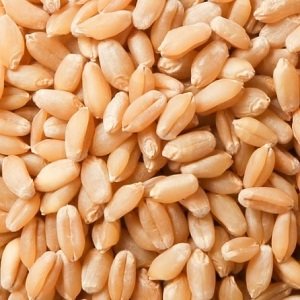
Wheat (Gehu)
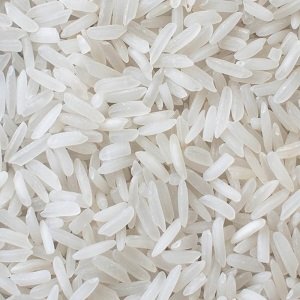
Rice (Chawal)
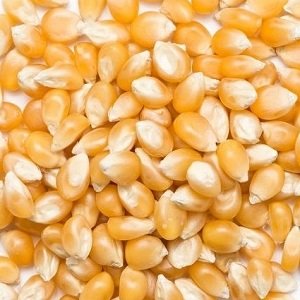
Maize (Makka)

Pearl Millet (Bajra)
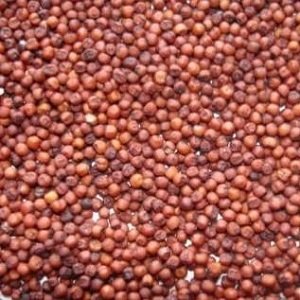
Finger Millet (Ragi)
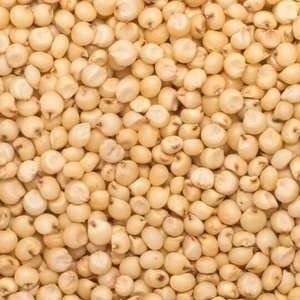
Sorghum (Jowar)